Australia is an extraordinarily fuel dependent country. Across transport, freight, mining, and agriculture, Australians are among the world's biggest users of diesel - more than any other OECD country - and our geography means we fly more than most.
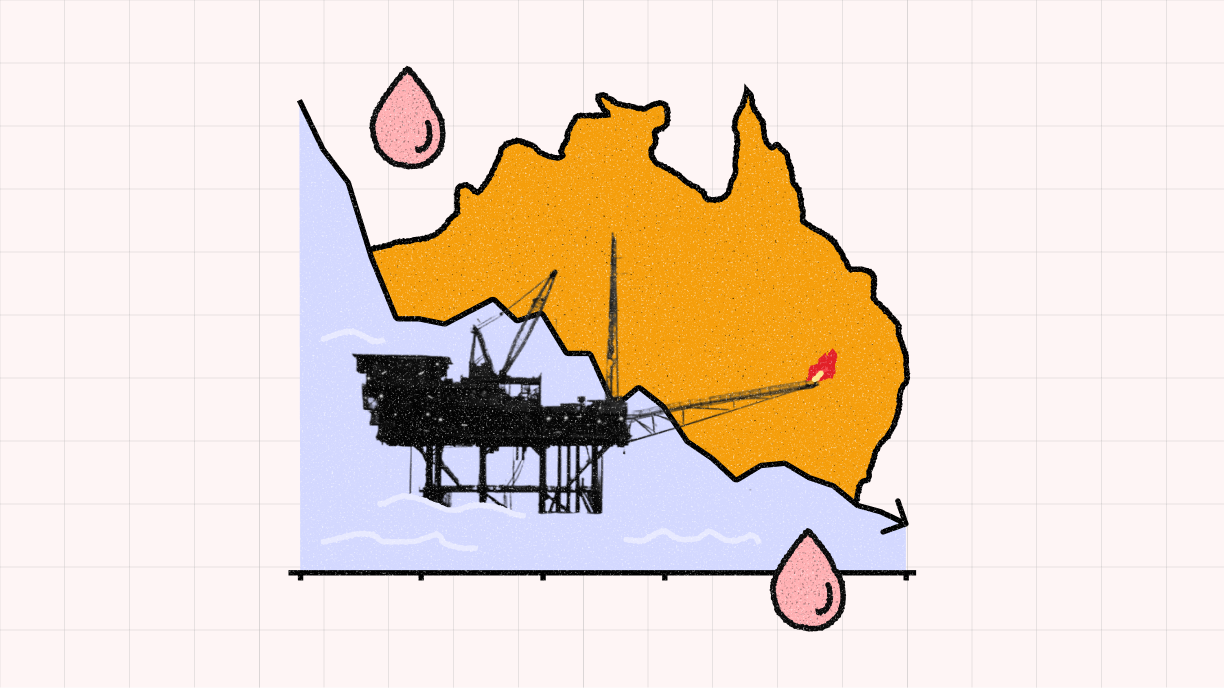
Despite our abundant energy and mineral resources, Australia has very limited access to the oil we need. Of the fuel we consume, about 5 per cent is from Australian crude and a further 18 per cent is refined from imported crude. Neither is likely to increase substantially, and there is limited policy value in trying to expand either source.
These fuels also release a lot of carbon pollution. Beyond the health impacts, the transport sector alone is responsible for about one-fifth of Australia’s total emissions. These are partially covered by weak existing policies, with emissions from this sector rising.
In an attempt to address these concerns, the Government has just closed consultation on a policy that would develop a low carbon liquid fuels (LCLFs) industry in Australia. LCLFs are alternative liquid fuels, usually made from plants, that can generally be used in existing engines and machinery.
In announcing this policy, the Government has three goals:
- Strengthen fuel security and resilience
- Unlock economic opportunities
- Reduce emissions from current liquid fuel use
As it stands, the framework the Government is proposing risks falling short of these objectives because it leaves out Australia's strongest fuel security lever. But The Superpower Institute has demonstrated that with some relatively small tweaks, this policy could be genuinely transformative and move Australia to a more secure and prosperous future.
Taking the Government’s objectives in turn.
Fuel Security
TSI's modelling finds two clear sources of future fuel security. The Government’s proposed policy focuses on only one. While important, LCLFs are not the lever with the greatest fuel security potential. That comes from electrification.
Australia can achieve very high levels of fuel security by 2040
TSI analysis: ‘How Australia can break its foreign fuel dependence’
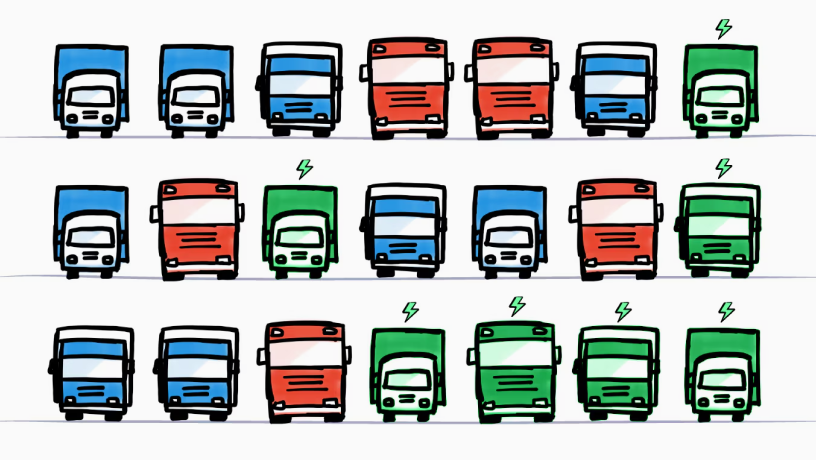
Land-based fuel use accounts for 79 per cent of liquid fuel demand. Electrifying roughly three-quarters of that would cut total demand by 58 per cent by 2040 - 46 gigalitres a year that never has to come through the Strait of Hormuz, or anywhere else.
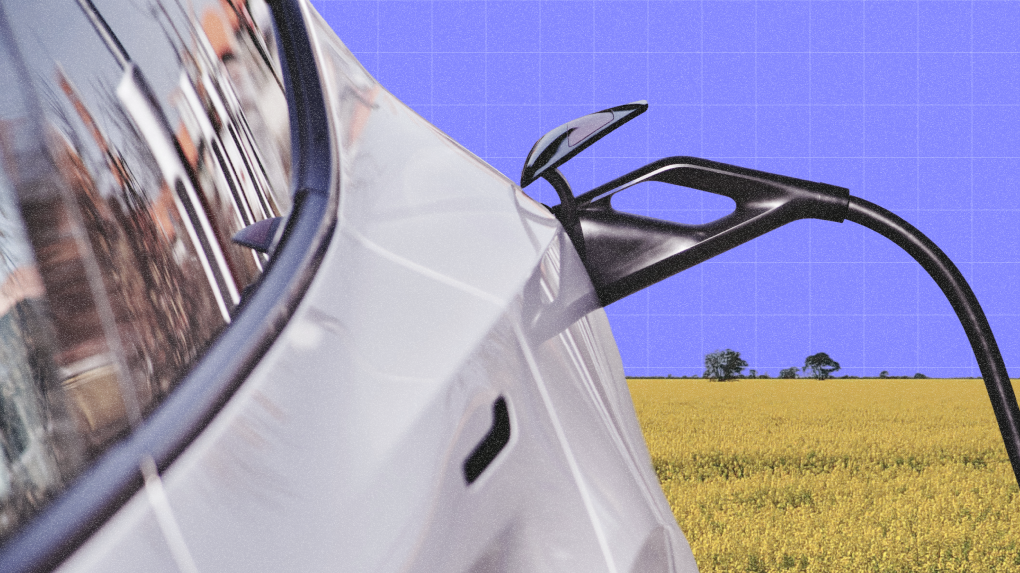
The technology is mature; the binding constraints are regulation and charging infrastructure. And it is clear Governments understand this. The Heavy Vehicle Reforms announced by Treasurers last week target these exact challenges. But there is more to do.
The second way to enhance fuel security meaningfully is with low-carbon liquid fuels made from Australian feedstocks: canola, tallow, sugarcane, and forestry and agricultural residues. We export about 80 per cent of our canola and some other feedstocks to refineries in Europe and Asia. Redirected and scaled, they could meet 95 per cent of Australian aviation demand by 2040.
This is not the limit of the opportunity for Australia to produce low carbon liquid fuels. TSI is examining how Australia can expand sustainable green carbon production beyond the feedstocks available today, creating a much larger resource base for future fuels and other green industries.
It is worth keeping in mind the available scale of the two solutions. The recipe for fuel security is to electrify everything you can, as quickly as possible, and use LCLFs to fill in the gaps and build towards export. Electrification is the main course, and LCLFs are the dessert.
Economic opportunities
TSI has outlined the economic opportunities that can come from low carbon fuels in particular, and green economy industries generally. Australia is blessed with abundant renewable energy resources, vast land areas ideal for sustainable biomass production, and an established industrial base.
The New Energy Trade found that green carbon industries, such as fuels for shipping, aviation and road freight, as well as chemicals like ammonia and methanol, could be $400 billion export industries for Australia in a net zero world.
But we need to be very clear: success is not guaranteed. Australia has an enormous economic opportunity because of its significant comparative advantages in renewable energy and biomass availability. Securing that opportunity will require the right policies to address market failures. Government support for the wrong pathways will hinder our fuel security and our economic prosperity.
As such, policies should look to address the market failures holding back green industries, rather than trying to protect one solution at the expense of a more efficient solution.
Emissions Reduction
Australia is not on track to achieve its appropriate contribution to the world reaching net zero by 2050. An economy-wide price on carbon pollution is the most economically efficient way to bring down Australia’s emissions.
In The Case for Pricing Pollution, TSI put forward a model for how to achieve efficient decarbonisation through a 'Polluter Pays Levy'. In the absence of such a policy, the job of decarbonisation is more difficult and costly.
However, a policy that reduces emissions from fuel use through all available technologies, as canvassed by the Government, would still play an important role. Importantly, it would cover transport emissions, which fall outside of the Government’s main emissions reduction policy, the Safeguard Mechanism.
The cost-benefit analysis conducted by the Government demonstrates that a broad and balanced standard is the best of the policies presented. The high ambition standard would deliver 43 Mt of abatement in 2035.
It is therefore curious that the Government is proposing an approach that does not implement this policy until after 2035. Instead, it promotes a volumetric mandate, which it describes as the “second least favourable” policy.
A volumetric mandate is an inefficient way of delivering emissions reduction. LCLFs vary greatly in their emissions intensity, depending on production and land use. Typically, LCLFs reduce emissions by a half to three-quarters of their fossil fuel equivalents. A volumetric approach does not reward fuels that provide greater emissions reduction. Furthermore, emissions reduction through LCLFs come at a significantly higher cost than electrification, where electrification is possible.
Undeniably, there is greater emission reduction potential, for lower cost, and at a greater scale from electrification. Any emissions policy that excludes this will be inferior.
The Way Forward
The policy that the Government should adopt - in lieu of an economy wide carbon price - is clear.
A Carbon Intensity Standard is more efficient for fuel security and climate action. It would deliver a demand signal for low carbon liquid fuels where they are needed, especially with the Government’s proposed aviation benchmark. According to their own cost-benefit analysis, it is the most favourable policy.
In California, their Low Carbon Fuel Standard has delivered a 25 per cent reduction in transport emissions since it was fully implemented a decade ago. It has outperformed its initial trajectory for the past five years. It is technology-neutral, emissions focused, and highly effective.
Canada introduced a similar policy in 2022, and was able to learn all the early policy lessons from California. Electrification was included from the beginning. It will deliver a 15 per cent reduction in transport emissions by 2030.
There is no reason Australia cannot follow the lead of these other fuel-dependent economies.

Sam Burt
Policy Lead
Sam Burt is a public policy professional and economist, with policy experience which spans the building blocks of the Superpower Economy. Working in several roles across the Commonwealth Treasury and DCCEEW, he contributed to the Future Made in Australia package, the Energy Price Relief plan and the Cleaner Fuels Program. Sam holds an honours degree in economics from the University of Adelaide.