Helping Australia to seize the extraordinary economic opportunities of the post–carbon world

Ross Garnaut
Director

Rod Sims
Chair
Australia's fuel security
How Australia can break its foreign fuel dependence
Australia can lift its fuel security from 17 per cent today to 87 per cent in 2040 by focusing efforts on electrification and low-carbon liquid fuels.

The Government is fighting fuel insecurity with one arm behind its back

Australia is spending billions on fuel security. What if some of that went to electric trucks?
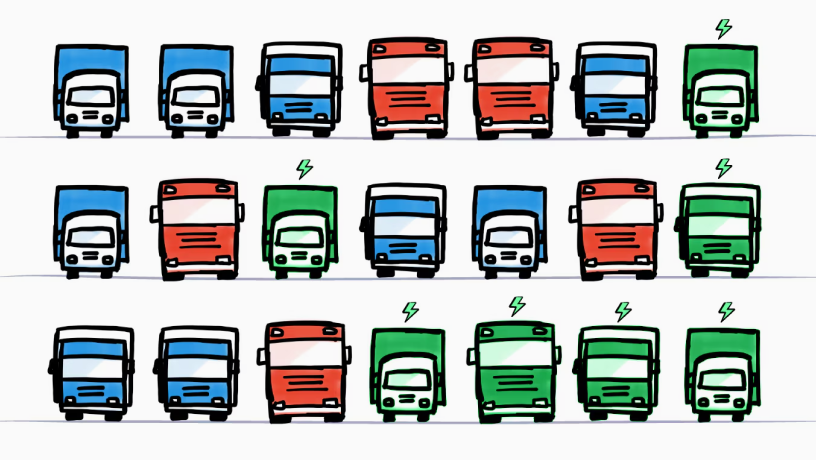
Securing Australia’s Cleaner Fuels Industry

Why Australia can't drill its way to fuel security
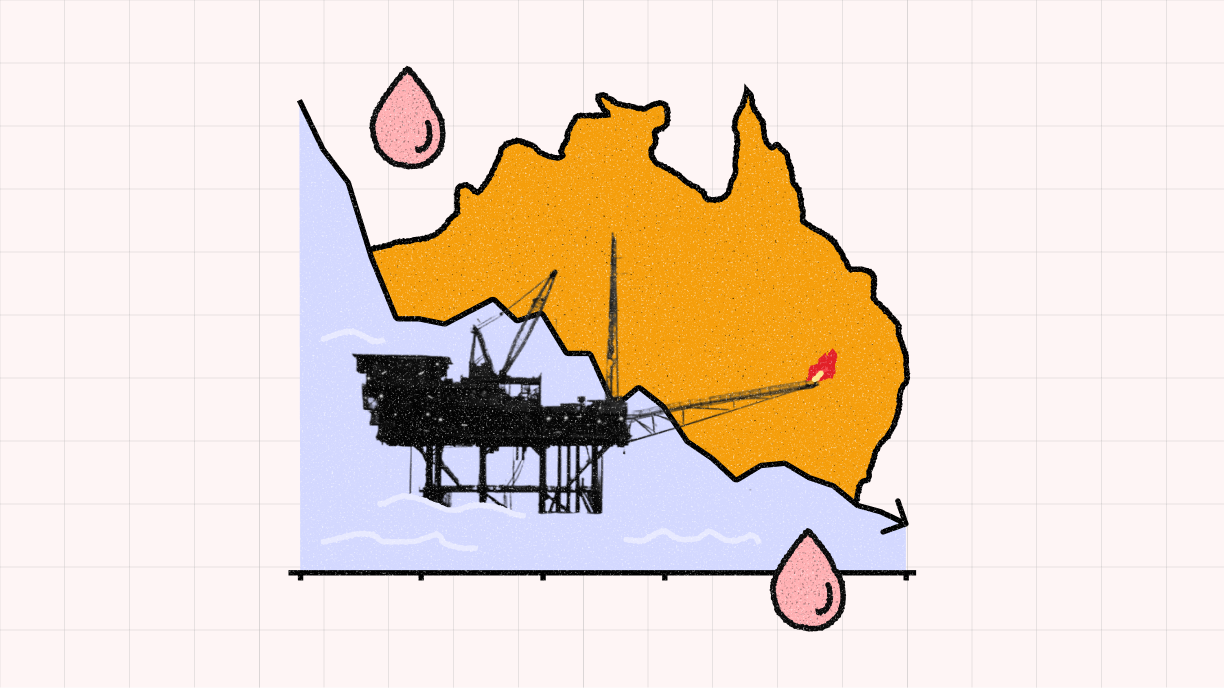
Why WA should back low-carbon liquid fuels over a new oil refinery
‘Drill baby drill’ is a slogan not a strategy
Electric trucks, mines and farms, low carbon fuels key to break Australia’s foreign fuel dependence
Practical steps to fuel security, not “wishful thinking”
The Iran Crisis: Fuel Security and Defeating Climate Change
A sure way to keep our nation driving: make polluters pay
Pricing pollution
Safeguard Mechanism Review
The Superpower Institute's submission to the Australian Government’s review of the Safeguard Mechanism
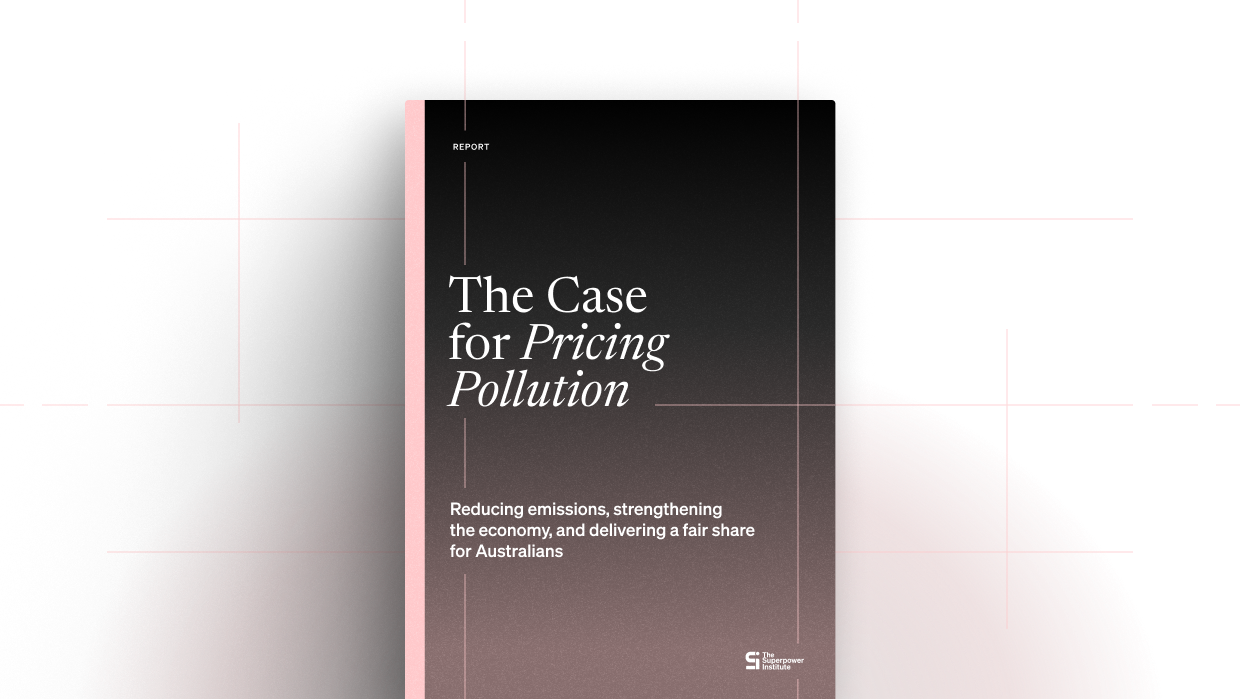
The Case for Pricing Pollution
Carbon Pricing’s Second Chance
‘The world has changed’: Fight to bring back a carbon price
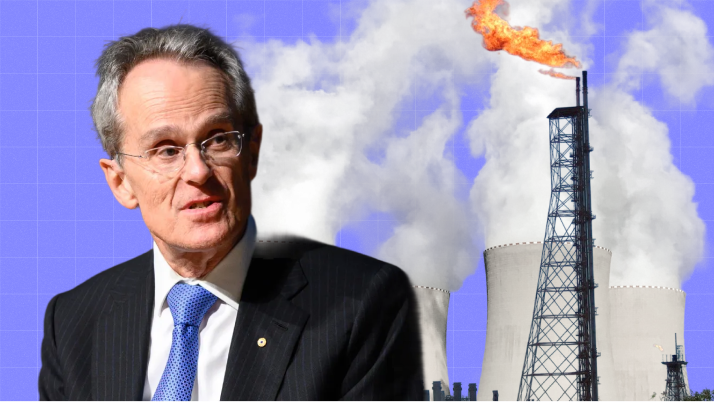
How the Polluter Pays Levy works
Three things the Albanese government could do right now to make people feel better off
Renegade Liberal backs carbon price push
Pricing pollution unlocks investment in the energy transition
A Carbon Tax Comeback?
A sure way to keep our nation driving: make polluters pay
Superpower Institute soft launches a little idea called ‘carbon pricing’
Recent updates
Cleaning Up Podcast – Can Australia become a clean tech superpower?

Green steel in Europe isn’t just talk
The Superpower Institute welcomes three new board members

War in Iran Gives New Fuel to a Tax Debate in Australia
Federal Budget response – Budget shows progress on fairness but gaps remain
The fossil fuel industry is using the Iran war to undermine net zero
Don’t let gas giants scare you - they need to cough up
Gas tax problems make the transition look good
Resources companies fight gas tax push at parliamentary inquiry
More research
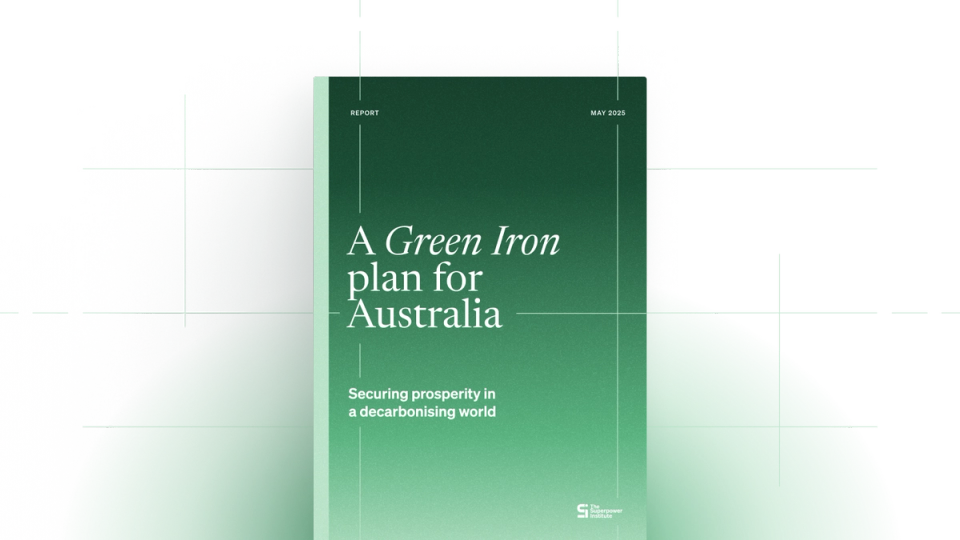
A Green Iron Plan for Australia
Australia is uniquely positioned to become a world leader in green iron production. With soundly based policy settings and timely action, this opportunity can underpin prosperity for generations.
The New Energy Trade
World-first analysis of the superpower trade finds Australia could contribute up to 9.6% of the world's emissions reductions while generating six to eight times larger revenues than those typical from Australian fossil fuel exports.

The Superpower Institute’s mission is to position Australia as a global leader in the post-carbon economy.
By harnessing the nation's abundant natural resources and mineral wealth, Australia can achieve economic prosperity and significantly reduce global emissions through the development and export of green, energy-intensive commodities.
If this opportunity is seized, we foresee a period of economic growth that surpasses the mining era, characterised by real wage growth, full employment, and a foundation for inclusive, multigenerational economic growth that will benefit communities across the nation.
Open Data Projects
Ensuring an effective transition to a zero-carbon economy requires transparent and accessible energy and emissions data. Committed to this necessity, the Superpower Institute developed the Open Accessible Auditable Data (OAAD) framework.
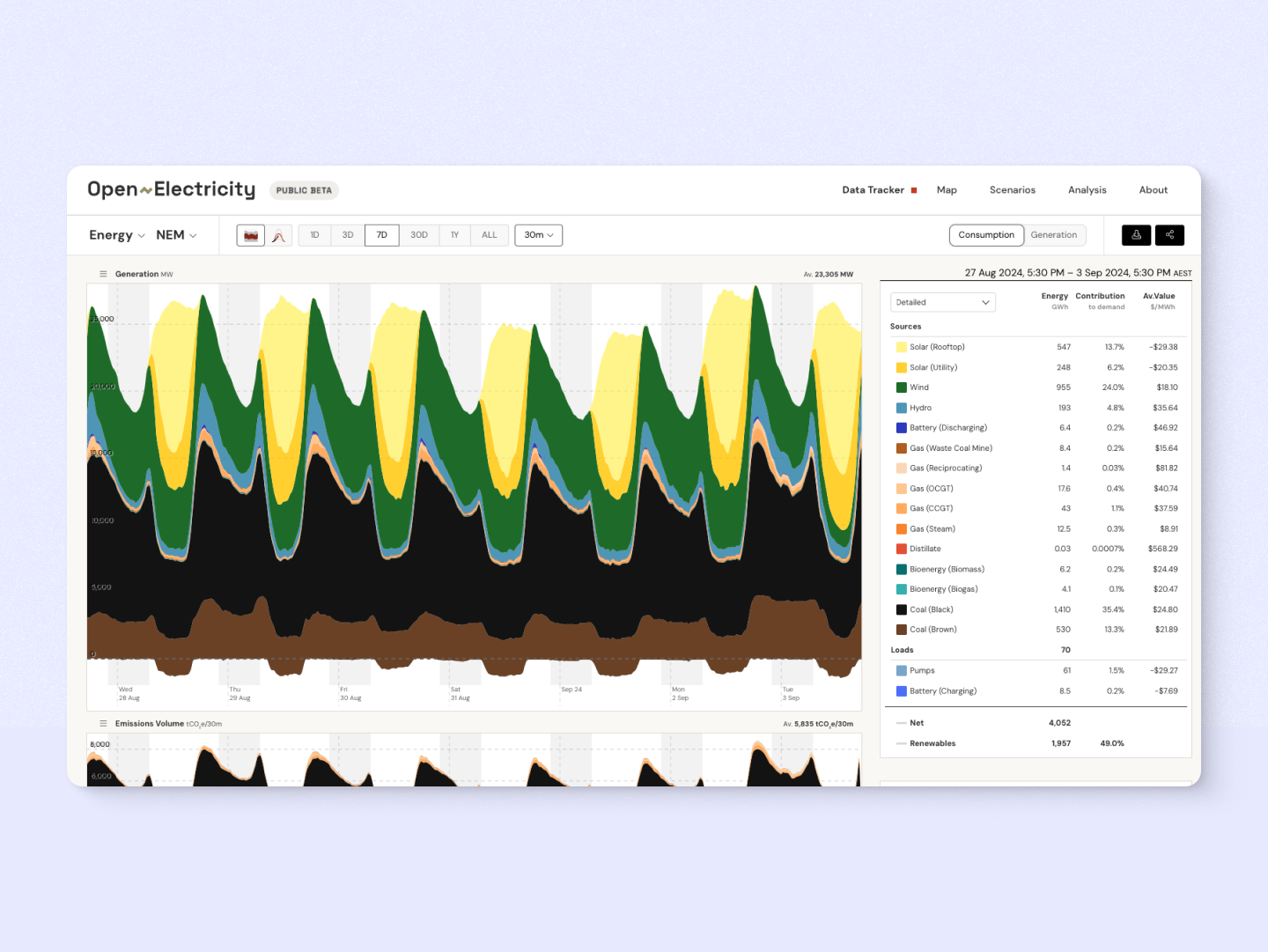
Tracking Australia's electricity transition
Open Electricity enhances public access to National Electricity Market (NEM) and Wholesale Electricity Market (WEM) data, aiming to improve energy literacy and facilitate informed discussions on Australia’s energy transition for the long-term benefit of consumers.
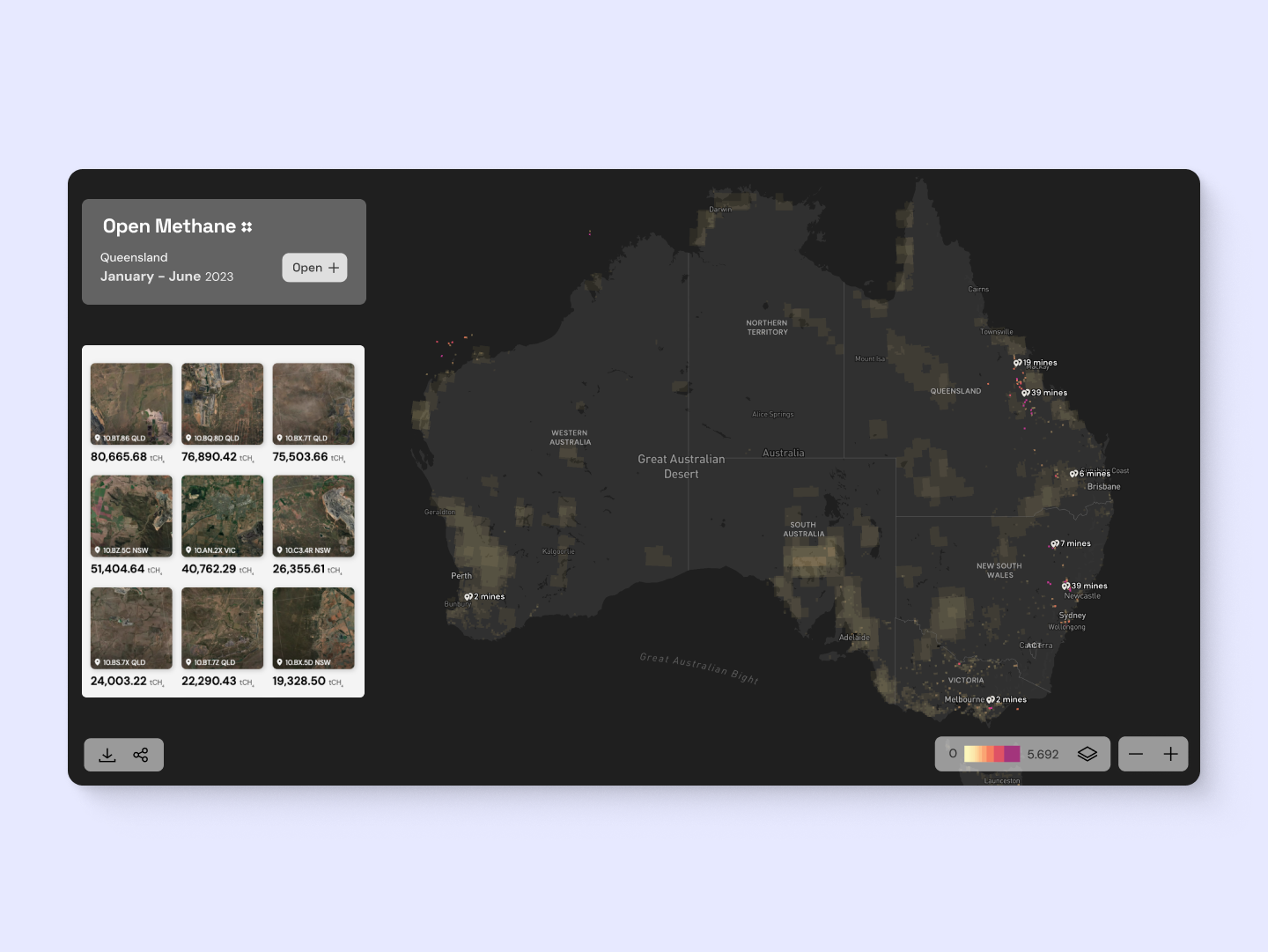
Measuring Australia’s methane emissions
Open Methane is a free, open-source platform for detecting, measuring and locating Australia’s methane emissions. Utilising satellite observations and environmental modelling, it provides an up-to-date, content-scale view of methane emissions across Australia.
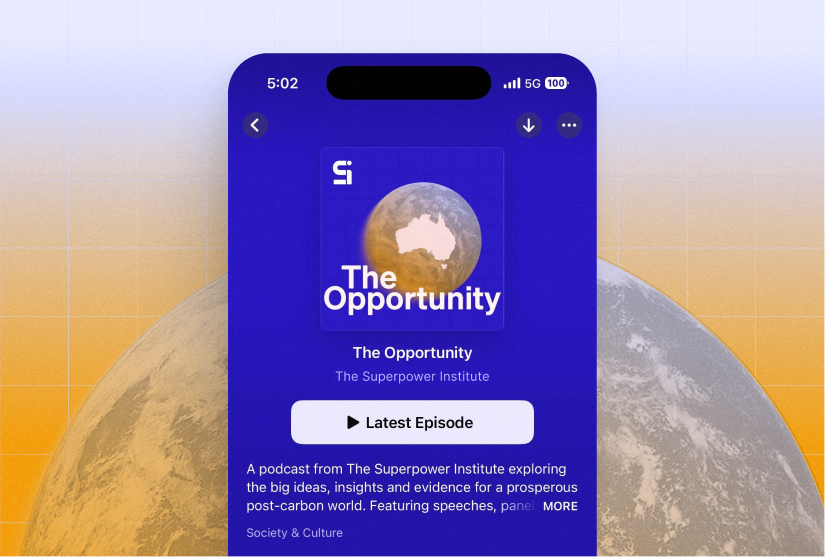
Podcast
Top experts exploring the big ideas, insights and evidence for a prosperous post-carbon world.
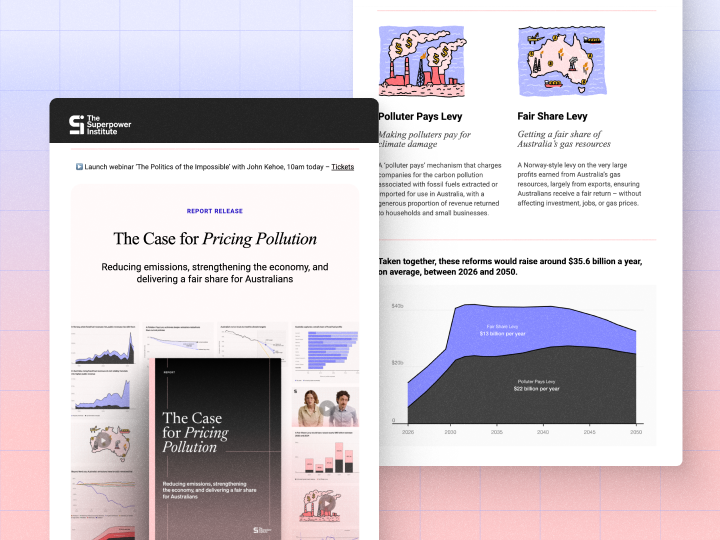
Newsletter
Stay up to date with the latest news, research and analysis

LinkedIn
Join the conversation, engage with the research, and help shift the debate.