When conflict disrupts global oil markets, as it has this year in the Strait of Hormuz, Australian households and businesses find themselves confronting higher fuel prices and uncertainty about supply.
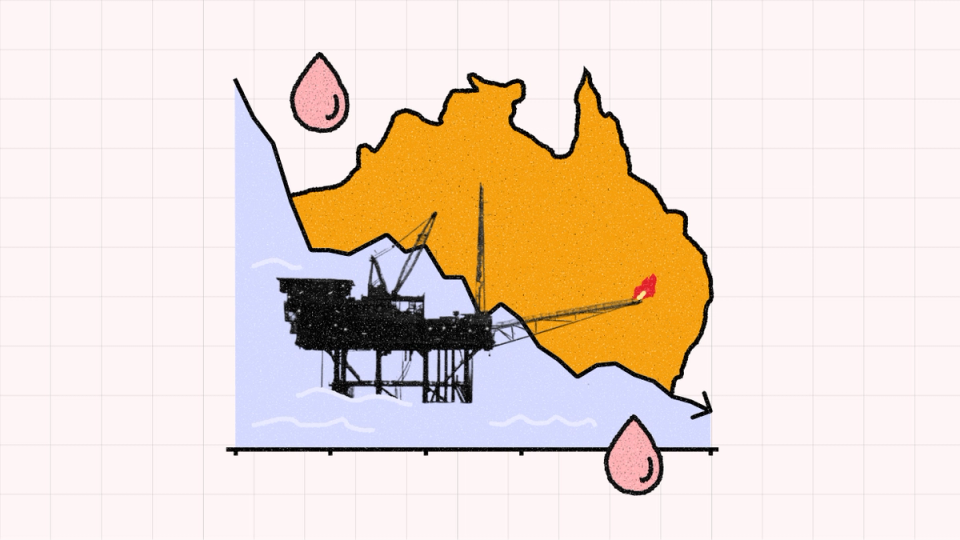
It's a remarkable paradox. Australia exports about six times as much energy as it imports. Yet about 95 per cent of the petrol, diesel and jet fuel we use is imported or refined here from imported crude oil. Much of it comes from Asian refineries that themselves depend on crude oil from the Middle East.
Australia exports six times as much energy as it imports, but almost everything it imports is oil
Department of Climate Change, Energy, the Environment and Water (2026), Australian Energy Statistics.
In short: we are energy-rich but fuel-poor.
But for a country with Australia's extraordinary energy resources, this vulnerability is neither inevitable nor permanent.
Most of our refineries closed over the past two decades because they could not compete with larger refineries in Asia.
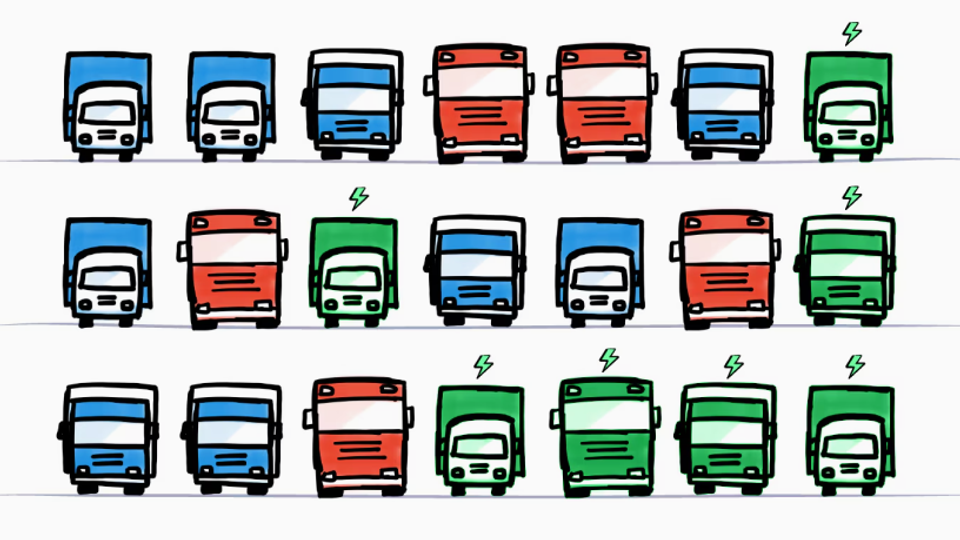
However, TSI analysis shows Australia can lift its fuel security, the share of our liquid fuel needs we can meet from domestic sources, from 17 per cent today to 87 per cent by 2040. Most of the opportunity comes from electrification. Running cars, trucks, mining equipment and farm machinery on Australian electricity instead of imported petrol and diesel could displace 58 per cent of our liquid fuel demand. It is also the cheapest path, because electric vehicles and machinery cost less to run.
Some uses of energy are much harder to electrify, above all aviation and shipping. For these, the answer is low-carbon liquid fuels, made from plants, animal fats or waste rather than crude oil.
Made from Australian feedstocks, these fuels could meet another 15 per cent of demand by 2040, including 95 per cent of our aviation fuel needs. Strategic stockpiles and a small amount of domestic crude make up the rest of the 87 per cent.
Australia already grows and collects feedstocks for low-carbon liquid fuels, but exports about 80 per cent of them, mostly to refineries in Europe and Asia. That demand is driven by those governments creating demand for low carbon fuels. If Australia follows suit, processing Australian grown feedstocks here would turn exports of raw materials into fuel security at home.
But we should aim even higher than that.
Australia could produce more fuel than it needs, and supply its trading partners with some of the energy security they are seeking for themselves.
Low-carbon fuels need two main ingredients: cheap renewable energy, and land to grow sustainable feedstocks. Australia has both in abundance. Our trading partners in North Asia have neither.
Low-carbon fuels need two main ingredients: cheap renewable energy, and land to grow sustainable feedstocks. Australia has both in abundance. Our trading partners in North Asia have neither.
Australia is also well placed to avoid the mistakes of earlier biofuel industries overseas, which have contributed to land clearing and pushing food production onto new land. About half of the Australia’s land is used for extensive grazing. Fuel crops can be grown on this land, alongside grazing, adding income for landholders without competing with food production, and with less risk to biodiversity.
A new low-carbon fuel industry would also be a major opportunity for regional Australia. Growing, collecting and processing feedstocks would bring new investment and skilled jobs to the regions. Much of the land involved is held or cared for by Traditional Owners, making it essential that First Nations communities are involved in shaping the industry and share equitably in its benefits.
In the old energy trade, our abundant fossil fuel reserves made us an energy superpower, using what we needed at home and exporting coal and gas to the world.
In the new energy trade, our advantage will be different. Our trading partners in Asia are as exposed to the Strait of Hormuz as we are, and they are introducing mandates for low-carbon aviation and shipping fuels. As our low carbon fuel industry scales, Australia can offer them a secure, low-emissions supply.
If we play our cards right, we could move from a position of vulnerability back to a position of strength: having more fuel than we need, and exporting fuel security to the region.
This won't be the world's last fuel crisis. But it could be Australia's.

Baethan Mullen
Chief Executive Officer
Baethan Mullen has over 20 years of experience in public policy, economics and advocacy. Prior to joining the Superpower Institute, Baethan was General Manager of Economics & International at the ACCC, and led the largest energy efficiency program in Australia as Executive Director at the Essential Services Commission.